The Top 10 Signs That It’s Time to Switch from Quality Assurance to Quality Engineering
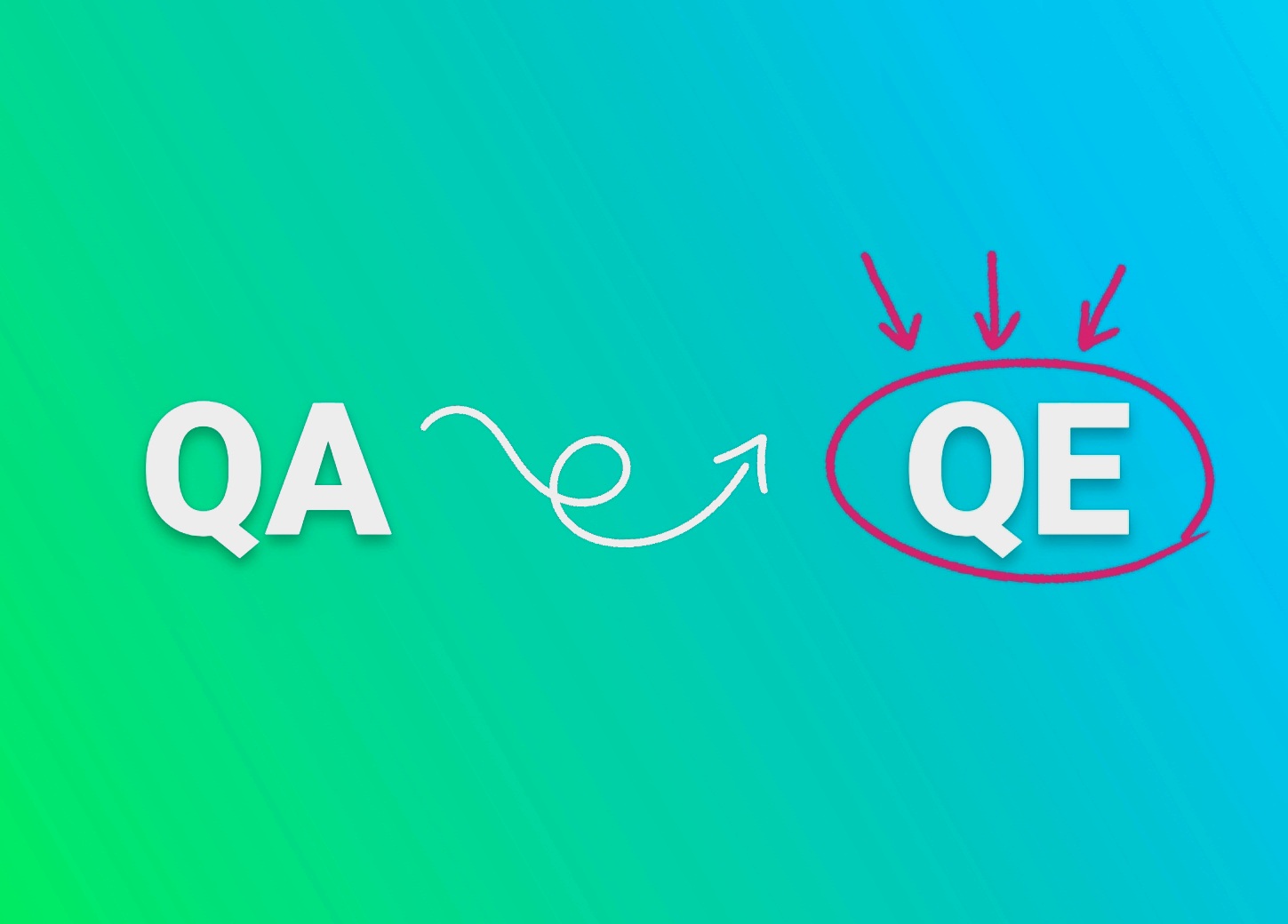
Knowing when to switch from quality assurance to quality engineering is crucial in the dynamic field of software development. The difference between the two can have a major impact on the quality of your product, the efficacy of your staff, and the happiness of your customers. Here are some indicators that your organization may be ready for the switch:
- Reactive Testing Predominance: If your team’s primary modus operandi revolves around troubleshooting bugs after they manifest rather than forestalling them, it highlights the urgent requirement for QE’s proactive, preventive approach.
- Delayed Testing Sessions: When testing is routinely pushed to the very end of the development cycle, it’s a sign that valuable time has been wasted. Fixing problems early on via testing can save time and money.
- Longer Time to Production: Lengthy times between the development phase and the actual product deployment frequently indicate intrinsic inefficiencies in the present QA process. QE prioritizes frequent, small releases to cut down on lead times.
- Regular Rollbacks Following Deployment: A red flag is raised if there is a history of rollbacks following deployment. It’s evidence that flaws are slipping through the cracks without being discovered during testing and highlights the need for thorough QE analysis.
- Persistent Prod Issues: When end-users routinely encounter and report issues in a live environment, it is evidence that pre-release testing was not as thorough as it should have been.
- Need for Early Fault Detection: The “shift left” attitude inherent to QE promotes identifying design flaws at their earliest stages. Here at Silkland Consulting Inc. we see it as dealing with “larvae” as opposed to fighting fully-formed bugs after production has begun. The time and money needed to fix defects at a later stage are reduced by this method. Kill the larvaes (design faults), you won’t need to deal with bugs!
- Stark Silos Between Teams: The lack of communication and cooperation between the development and testing teams is a rallying cry for the integration-focused strategy favoured by QE.
- Fragmented Tool Ecosystem: If your team struggles with tools that aren’t well-integrated with one another, you need to manually link various steps or your test architecture cannot technically be fully integrated, this is a good indicator that you could benefit from the unified tool integration that QE provides.
- Significant Knowledge Deficits: When testers only focus on finding bugs and ignore more general concerns like design, architecture, and coding fundamentals, it’s clear they need to adopt the holistic, multi-faceted strategy that QE represents.
- User Feedback Underscoring Usability Concerns: A steady stream of user grievances pertaining to usability, interface, or functionality highlights the necessity of the user-centric, holistic focus that’s at the heart of QE.
In conclusion, if you pay attention to these warnings, you can alter the future of your software’s quality. If your team has faced similar difficulties, now may be a good time to explore making a paradigm shift.
In addition, Silkland Consulting Inc is a trustable choice for reliable assistance during this change. Silkland Consulting Inc specializes in improving test automation and QE processes, thus we can help your team smoothly transition from QA to QE standards by developing individualized testing techniques. Put your faith in professionals that have mastered both worlds of development and testing and can smooth your way to top-notch software.


Leave a Reply